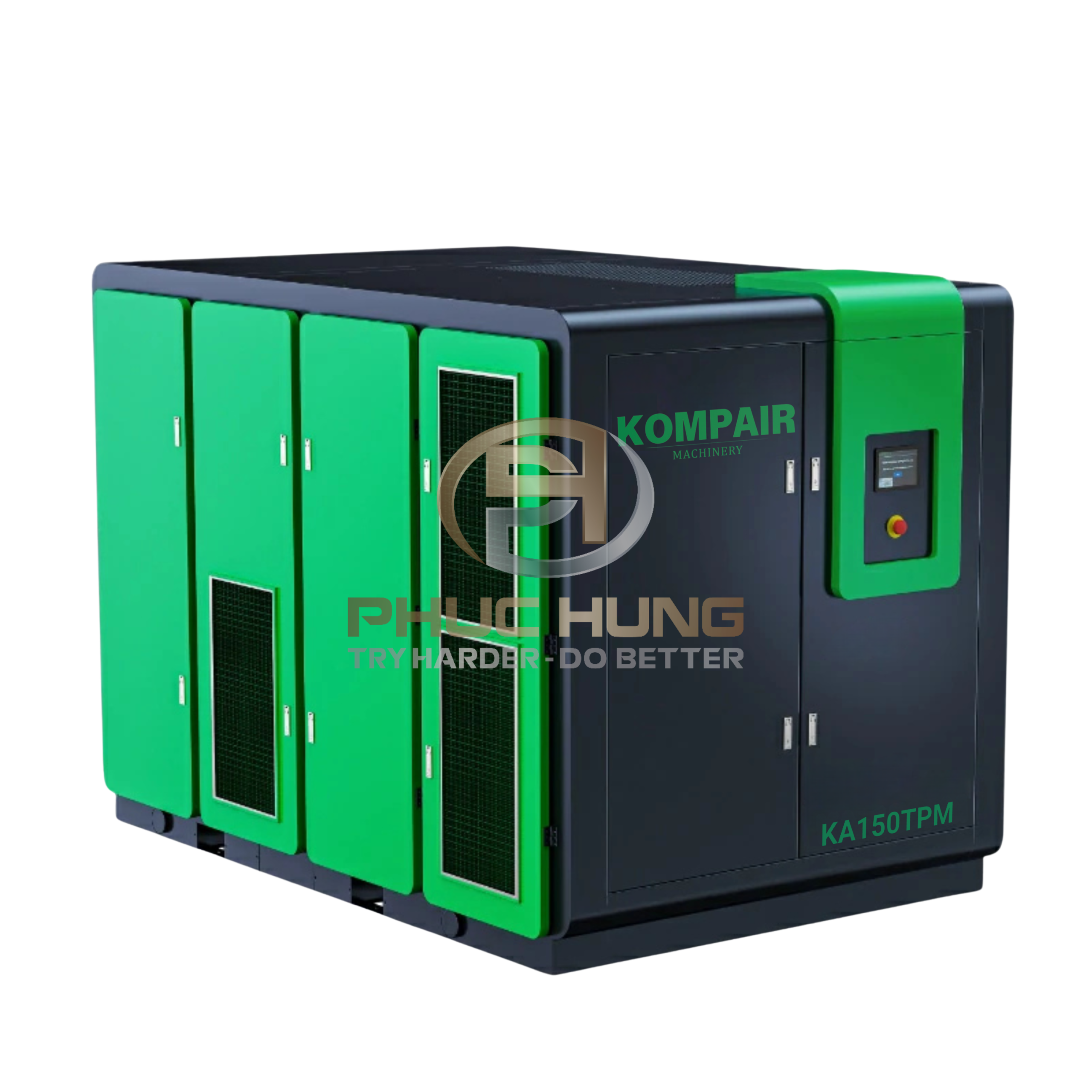
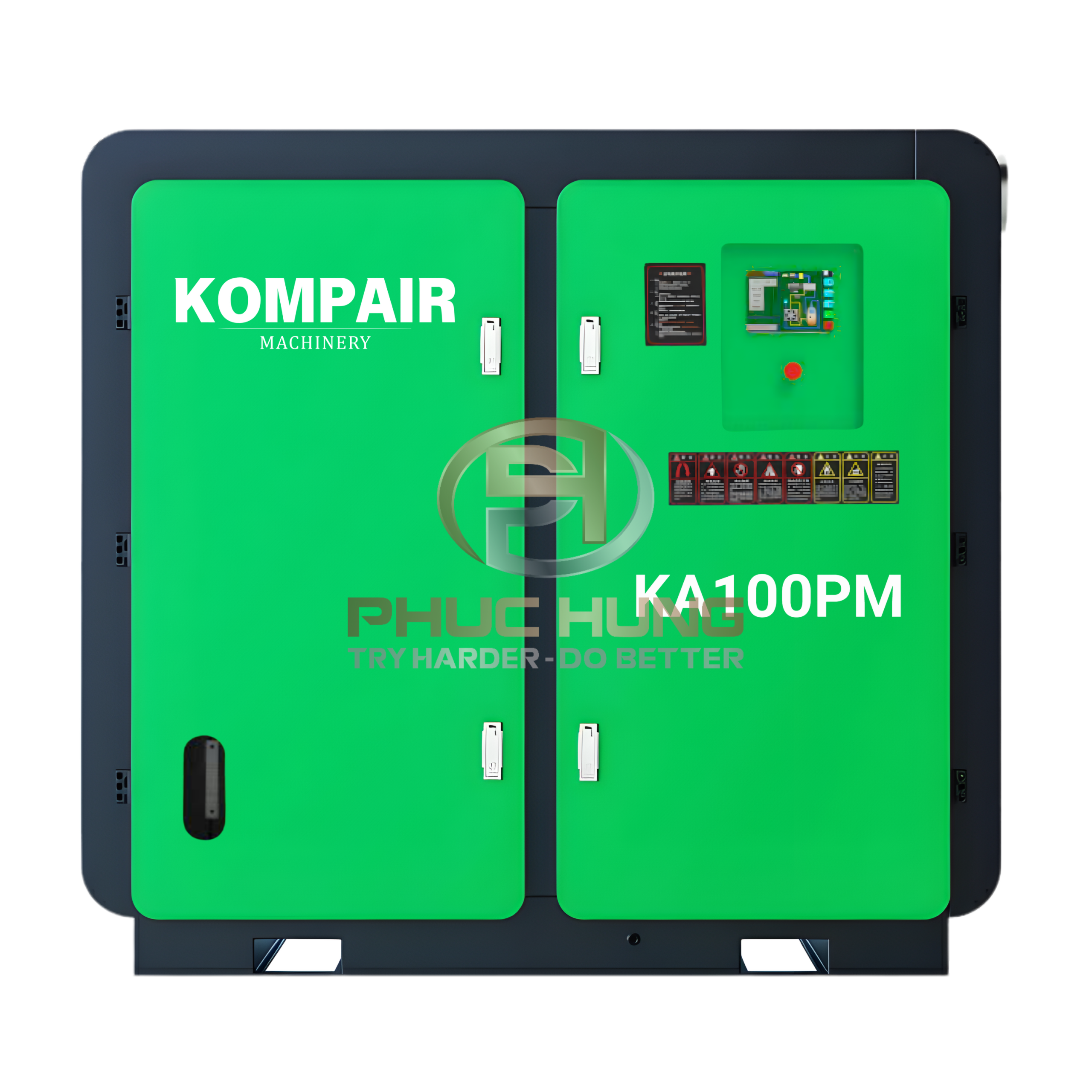
Ingersoll Rand Desiccant Air Dryer – International-Standard Ultra-Dry Compressed Air Solution
The Ingersoll Rand desiccant air dryer is engineered to meet the most stringent requirements for compressed air dryness. Utilizing advanced moisture removal technology, the system achieves an ultra-low dew point, ensuring clean, dry, and stable compressed air. This makes it particularly suitable for industries such as food processing, pharmaceuticals, electronics, and precision manufacturing.
The product represents an ideal combination of long-term reliability energy-efficient performance, and optimized operating costs, delivering a comprehensivecompressed air treatment solution for modern enterprises.
Founded in 1871 in the United States, Ingersoll Rand has more than 140 years of experience in the research, design, and manufacture of high-performance air compressors. Leveraging deep technical expertise and comprehensive knowledge of compressed air technology, the company continuously innovates by integrating advanced engineering with innovative design to maximize operational efficiency, productivity, and equipment durability.
Ingersoll Rand focuses on building reliability into every component of its compressed air systems. As a result, its products consistently lead the market in technology, quality, and performance, outperforming many competitors in the industry.

Gardner Denver – Ingersoll Rand group
What is an adsorption air dryer?
During the compression process, ambient air naturally contains moisture, dust, and sometimes oil vapor (in the case of oil-lubricated compressors). If not effectively treated, these contaminants can cause pipeline corrosion, damage compressed air equipment, and directly affect product quality.
Therefore, in factories that require clean and dry compressed air—such as mechanical manufacturing, steel production, coating and painting, plating and galvanizing, textiles, food processing, coffee and cashew processing, pharmaceuticals, and electronics —desiccant air dryer systems are an essential solution for removing moisture , drying the air, and ensuring compressed air quality before it is supplied to the production process.
Operating Principle of the Ingersoll Rand Desiccant Air Dryer
The Ingersoll Rand desiccant air dryer utilizes two adsorption towers filled with desiccant material (such as molecular sieve).
- When compressed air passes through the active tower, moisture is retained by the desiccant material, producing dry compressed air with a very low dew point.
- At the same time, the other tower undergoes a regeneration process to restore the moisture adsorption capacity of the desiccant.
- The two towers alternate between drying and regeneration through an automatic switching valve system, ensuring a continuous supply of dry compressed air 24/7.
Key Features of the Ingersoll Rand Desiccant Air Dryer
All desiccant air dryer models from Ingersoll Rand are designed with a focus on energy efficiency, stable operation, and maximum safety.:
- The optimized design helps minimize pressure drop through the proper selection of valves,tower sizing, and filtration systems.
- The optional Energy Management System (EMS) monitors the actual dew point and automatically extends the drying cycle, reducing purge air consumption and lowering operating costs.
- A large silencer minimizes noise levels, while the integrated pressure relief valve enhances overall system safety.
- The low-profile design allows easy access,making operation and maintenance more convenient.
- Pre- and post-filters protect the desiccant material from oil and dust contamination, enhancing the quality of the outlet compressed air.
- The stainless steel desiccant support screen is designed foreasy replacement, helping to reduce system downtime.
- Intelligent Regeneration Heating, automatically shuts off once the regeneration process is complete to save energy (for heated models).
- The high-temperature after-filter extends equipmentlifespan and protects the entire compressed air system.
Types of Desiccant Air Dryers
Desiccant air dryers are generally classified into two main types:
1. Heatless Type (Non-Heated)
The desiccant is regenerated using a portion of the treated dry compressed air.

1. Heatless Type (Non-Heated)
2. Heated Type (Heated Desiccant Air Dryer)
It uses electric heaters or hot air to regenerate the desiccant, reducing purge air consumption and improving overall energy efficiency.
The fundamental difference between the two types lies in the desiccant regeneration method,which ultimately determines energy consumption and operating costs.

2. Heated Type (Heated Desiccant Air Dryer)
Why Are Desiccant Air Dryers Required for Compressed Air Systems?
Under hot and humid environmental conditions:
The air contains a high level of moisture.
After compression, the moisture condenses significantly.
If not properly treated, it can lead to:
- Pipe corrosion
- Valve sticking and cylinder damage.
- Reduces compressor and terminal lifespan.
Ingersoll Rand Adsorption Air Dryer help:
- Remove moisture to a very low level.
- Ensure a stable supply of dry compressed air year-round.
- Suitable for harsh environments and high standards.
Operating Principle of a Desiccant Air Dryer
The dryer operates based on the use of desiccant adsorption material:
Compressed air passes through a tower filled with desiccant material.
Moisture is retained on the surface of the desiccant material
The outlet compressed air reaches They are an essential solution for facilities that require extremely low dew points and high-quality
The two PSA towers operate alternately
- One drying tower
- One tower regenerates the desiccant material.
→ Ensuring a continuous, stable , and ultra-dry compressed air supply.
Typical Technical Specifications – Ingersoll Rand Desiccant Air Dryer

Typical Technical Specifications – Ingersoll Rand Desiccant Air Dryer
| Model | Capacity | Heater | In/Out | Dimensions (mm) | Weight (kg) | ||
|---|---|---|---|---|---|---|---|
| nm3/min | kW | Connection in. | Width | Depth | Height | ||
| Heated Models | |||||||
| D150IL | 2.5 | — | 1"BSPT | 1029 | 762 | 1600 | 258 |
| D200IL | 3.4 | — | 1"BSPT | 1029 | 762 | 1600 | 273 |
| D275IL | 4.5 | — | 1.5"BSPT | 1130 | 813 | 1676 | 343 |
| D350IL | 5.7 | — | 1.5"BSPT | 1130 | 813 | 1676 | 355 |
| D425IL | 7.1 | — | 1.5"BSPT | 1232 | 813 | 1701 | 422 |
| D500IL | 8.5 | — | 2"BSPT | 1232 | 813 | 1701 | 449 |
| D675IL | 11.3 | — | 2"BSPT | 1333 | 813 | 1727 | 541 |
| D850IL | 14.2 | — | 2"BSPT | 1435 | 864 | 2083 | 759 |
| D1000IL | 17 | — | 3"BSPT | 1435 | 864 | 2083 | 808 |
| D1350IL | 22.7 | — | 3"BSPT | 1625 | 1067 | 2235 | 979 |
| D1350IL | 22.7 | — | 3"BSPT | 1625 | 1067 | 2235 | 979 |
| D1700IL | 28.3 | — | 3"BSPT | 1625 | 1067 | 2235 | 1086 |
| D2040IL | 34 | — | 3"BSPT | 1625 | 1067 | 2235 | 1177 |
| D2550IL | 42.5 | — | 4"FLG | 1994 | 1397 | 2057 | 1444 |
| D3050IL | 51 | — | 4"FLG | 2134 | 1550 | 2387 | 1896 |
| D3575IL | 59.5 | — | 4"FLG | 2134 | 1550 | 2387 | 2078 |
| D4600IL | 76.5 | — | 4"FLG | 2134 | 1550 | 2387 | 2392 |
| Heated Models | |||||||
| D425IE | 7.1 | 3 | 1.5"BSPT/1.25"BSPT | 1330 | 853 | 1730 | 543 |
| D500IE | 8.5 | 3 | 2"BSPT/1.25"BSPT | 1330 | 853 | 1730 | 578 |
| D675IE | 11.3 | 4.5 | 2"BSPT/1.25"BSPT | 1435 | 970 | 2083 | 747 |
| D850IE | 14.2 | 4.5 | 2"BSPT/1.5"BSPT | 1435 | 1008 | 2083 | 829 |
| D1000IE | 17 | 6 | 3"BSPT/1.5"BSPT | 1626 | 1320 | 2235 | 1150 |
| D1350IE | 22.7 | 9 | 3"BSPT/2.0"BSPT | 1626 | 1320 | 2235 | 1302 |
| D1700IE | 28.3 | 9 | 3"BSPT/2.0"BSPT | 1994 | 1440 | 2030 | 1478 |
| D2040IE | 34 | 12 | 3"BSPT/2.5"BSPT | 1994 | 1440 | 2030 | 1595 |
| D2550IE | 42.5 | 15 | 4"FLG/3"BSPT | 2134 | 1720 | 2340 | 2176 |
| D3050IE | 51 | 18 | 4"FLG/4"FLG | 2134 | 1708 | 2340 | 2407 |
| D3575IE | 60 | 18 | 4"FLG/4"FLG | 2134 | 1606 | 2340 | 2597 |
| D5100IE | 85 | 30 | 6"FLG/4"FLG | 2438 | 1727 | 2530 | 3739 |
Low Dew Point – A Key Advantage
Compared with refrigerated air dryers:
Desiccant dryers achieve a much lower dew point.
Suitable for environments such as:
- Low-temperature
- Outdoor
- Systems that require absolutely dry compressed air.
This is a mandatory solution in many specialized industrial sectors.